
News
Beyond School Fees: Why Education Must Be a Priority for Ifelodun, Offa and Oyun by Israel Dayo

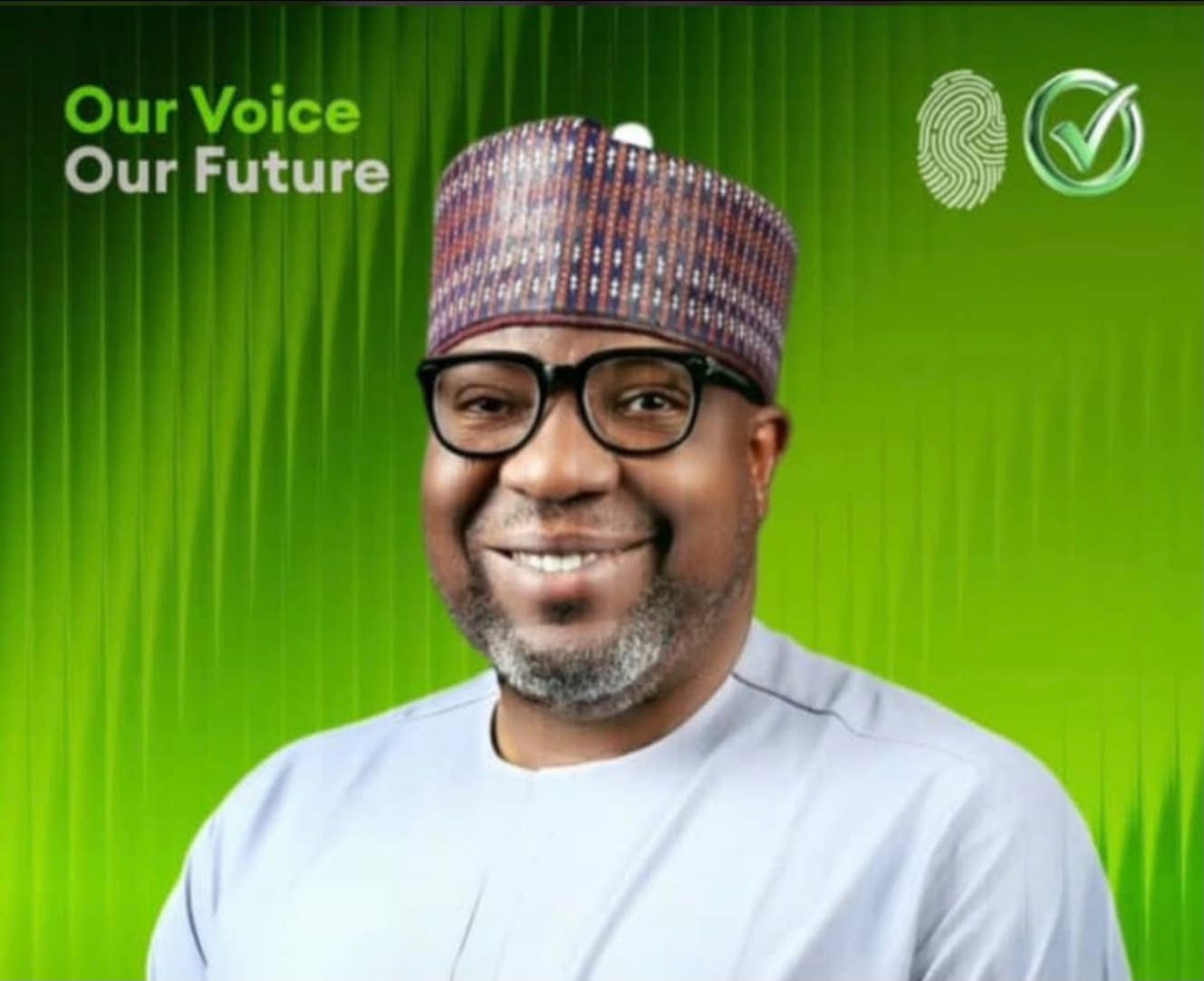
Every parent wants to see a child go to school, acquire useful knowledge and eventually become someone who can contribute to the family and the wider community. Yet for many households across Ifelodun, Offa and Oyun, that aspiration comes with difficult choices. There are school expenses to meet, books to buy, examination fees to pay and, for some families, the challenge of finding money for transportation and other basic needs.
For a child whose parents struggle to make ends meet, even a relatively small educational expense can become a barrier. That is why education should be treated not simply as a government responsibility but as a long-term investment in the future of the constituency.
As the PDP candidate for Ifelodun, Offa and Oyun Federal Constituency, Hon. Moshood Olanrewaju Bakare has an opportunity to place this issue firmly on the federal legislative agenda. His previous service in the Kwara State House of Assembly, where he represented Omupo Constituency from 2011 to 2019, provides a background in public service. Reports on his record have also highlighted educational support, including assistance with Joint Admissions and Matriculation Board registration and educational materials.
These interventions matter because they address a familiar problem: promising students can lose opportunities when their families cannot afford the expenses required to take the next step. But while individual assistance can make a difference, the constituency also needs a broader approach that improves access to education and equips young people for a changing economy.
If elected, Bakare should pursue a transparent educational support programme that identifies students in need and helps them access available scholarships, bursaries, examination registration assistance and other legitimate educational opportunities. Such a programme should operate through clear eligibility criteria, with beneficiaries selected fairly across the three local government areas and without discrimination based on political affiliation.
Support must also extend beyond students preparing for university admission. Many young people need vocational training, digital skills and practical qualifications that can help them earn a living. Not every young person will follow the same educational path, and a responsible development agenda should recognise that reality.
Bakare has spoken about opportunities in the digital economy and the need to equip young people with relevant skills. If pursued, this vision could include advocacy for ICT training centres, partnerships with recognised training institutions and access to vocational programmes that respond to local economic needs. The objective should be to help young people gain skills they can actually use, whether in technology, small business, agriculture, manufacturing or other trades.
There is also a case for strengthening educational facilities in underserved communities. Poor classroom conditions, inadequate learning materials and limited access to technology can undermine the efforts of both teachers and students. Through constituency project allocations and collaboration with the appropriate federal and state agencies, a representative can advocate for classroom rehabilitation, learning equipment, school furniture and digital learning facilities where needs have been established.
Girls and children from disadvantaged households deserve particular attention. Financial hardship should not determine whether a child completes basic education. Community engagement can help identify children at risk of dropping out, while partnerships with education authorities and relevant support agencies can provide practical solutions.
For students who have completed their education but cannot find work, the challenge is different. They need opportunities to apply what they have learnt. Linking vocational training to apprenticeships, entrepreneurship support and employers can help close the gap between education and economic opportunity.
Bakare’s legislative experience could be useful in pursuing these priorities, but the work must be open to public scrutiny. Residents should know how educational assistance is awarded, which projects are being pursued and what progress has been made. Clear reporting would help ensure that support reaches deserving beneficiaries rather than becoming another political promise that disappears after an election.
It is equally important that the interests of all three local government areas receive attention. Students in remote communities should not be overlooked simply because they live far from major towns or lack access to influential political figures.
The measure of educational representation is not the number of photographs taken while distributing school materials. It is whether more children remain in school, more qualified students gain access to further education and more young people leave training programmes with skills that improve their prospects.
Ifelodun, Offa and Oyun have young people whose talent can contribute to the growth of the constituency and Kwara State as a whole. What they need is a system that gives them a fair opportunity to develop that talent.
If given the mandate in 2027, Bakare should make education a sustained commitment, combining immediate assistance for struggling families with long-term investment in skills, learning facilities and opportunities for young people.
A child who receives the support needed to complete school may one day become a teacher, health worker, entrepreneur or public servant. That is the kind of investment whose benefits extend far beyond one family. It is an investment in the future of the entire constituency.