
News
Adebayo Vows To Overhaul Nigeria’s Justice System

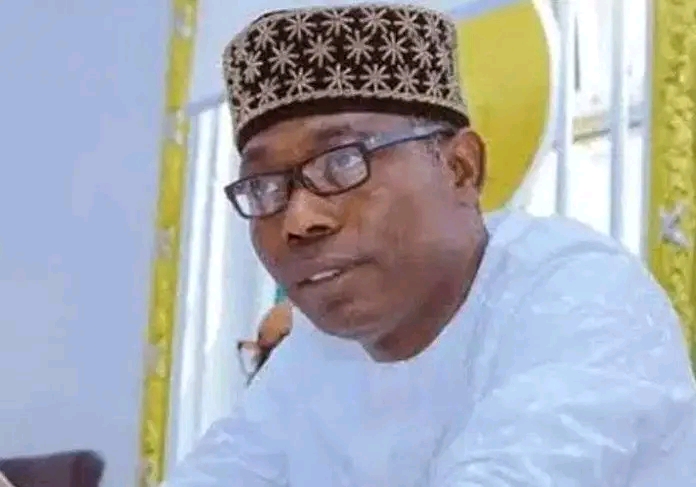
The presidential candidate of the Social Democratic Party (SDP), Prince Adewole Adebayo, has promised to reform Nigeria’s criminal justice system if elected president in 2027.
Adebayo said the current system favours wealthy criminals and corrupt public officials while poor people face harsh punishment for minor offences.
He made this known on Thursday in Lagos during the annual lecture organised by the Committee for the Defence of Human Rights (CDHR).
The event, held at the Airport Hotel in Ikeja, had the theme, Understanding Human Rights Beyond Emotions and Personal Interests.
Adebayo’s address, titled The Counter-Intuitive Architecture of Human Rights, was presented on his behalf by his campaign’s Chief Media Adviser, Comrade Mark Adebayo.
The SDP candidate expressed concern over the public’s lack of trust in Nigeria’s criminal justice system, noting that the conduct of some people responsible for administering justice had damaged confidence in the system.
He explained that the situation had created an environment where people increasingly considered taking the law into their own hands because they no longer trusted the authorities to deliver justice fairly.
According to him, wealthy individuals accused of serious crimes often appear in court in expensive vehicles, while poor Nigerians can face long prison terms for stealing items worth very little.
He said his administration, if elected, would reform the system to ensure that everyone receives equal treatment under the law, regardless of their financial status or position in society.
Adebayo added that the justice system must be designed to punish those who commit crimes while protecting innocent people and poor Nigerians from unfair treatment.
He maintained that the country could not continue to operate a criminal justice system in which those responsible for enforcing the law were themselves viewed by members of the public as criminals.
The former presidential candidate also spoke about the need to protect human rights, particularly when doing so attracts public criticism or becomes unpopular.
He argued that human rights should not be treated as a reward for good behaviour but as a means of protecting everyone against unfair treatment and the abuse of power.
To support his position, Adebayo referred to historical cases in which lawyers defended people accused of serious crimes, including British soldiers involved in the 1770 Boston Massacre.
He also mentioned Jewish lawyers who defended Nazi sympathisers and lawyers who represented accused persons before the Yugoslavia war crimes tribunal.
According to him, allowing accused persons to receive a fair hearing helps protect the rights of innocent people and prevents the justice system from being controlled by public anger or personal interests.
Adebayo argued that a country’s commitment to human rights should be measured by how it treats people widely regarded as enemies or serious offenders, rather than only those who enjoy public sympathy.
He also called on civil society organisations to take a more active role in addressing problems affecting Nigerians instead of focusing on activism driven by personal or financial interests.
The SDP candidate urged human rights groups to pay greater attention to issues such as the growing number of children who are out of school, electoral manipulation and restrictions on peaceful protests.
He cited the late human rights lawyer, Chief Gani Fawehinmi, as an example of someone who defended justice regardless of the identity or political standing of the person involved.
Adebayo argued that Fawehinmi would have defended former military ruler Ibrahim Babangida if he were subjected to unjust treatment, despite any personal or political differences.
He further accused the administration of President Bola Tinubu of putting together a system designed to manipulate the 2027 general elections, alleging that the government was preparing to rig the polls because it could not win based on its performance.