
News
2027: Only ‘Mad People’ Will Vote for Tinubu – Amaechi

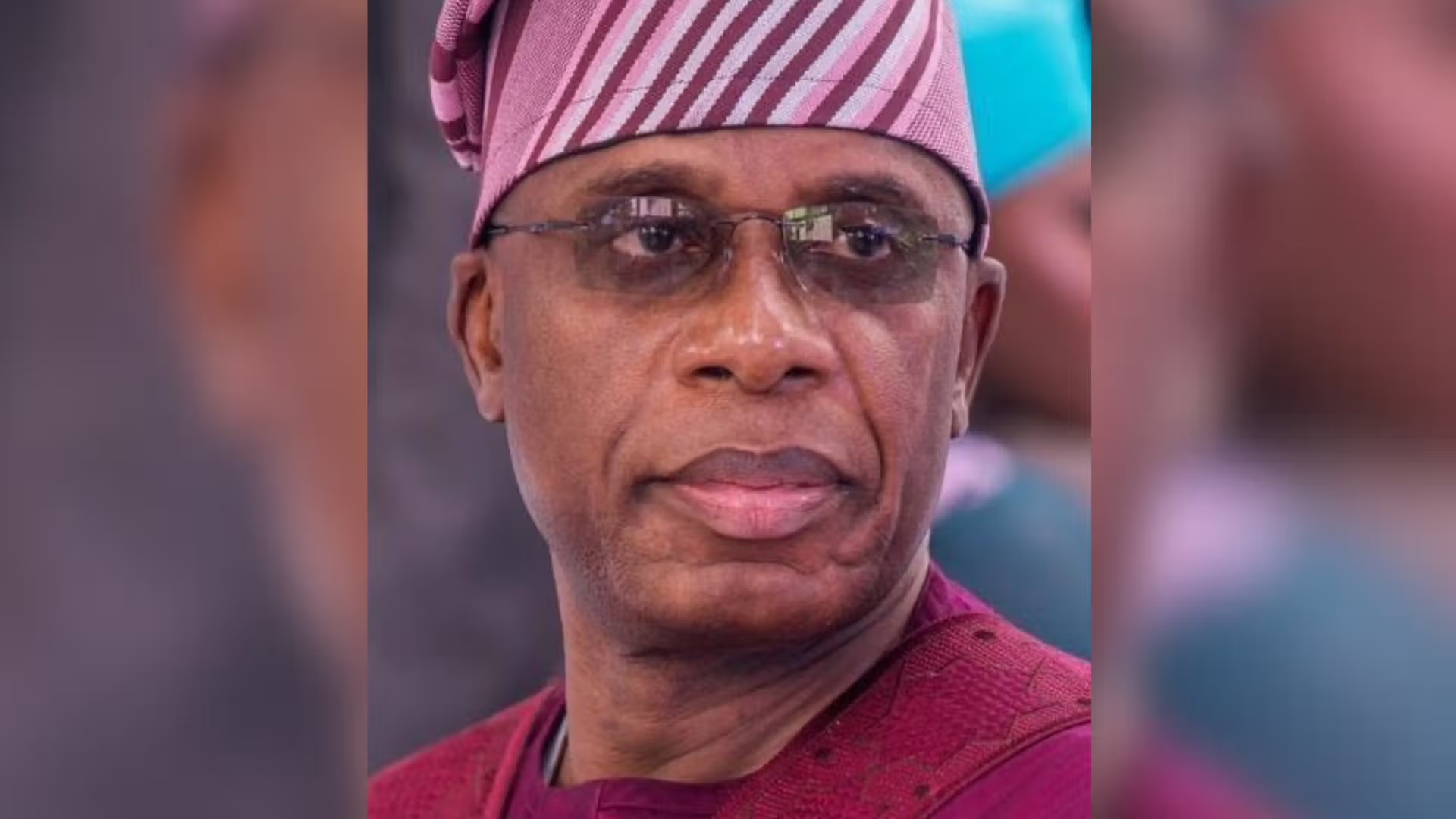
Former Minister of Transportation and African Democratic Congress (ADC) vice-presidential candidate, Rotimi Amaechi, has urged Nigerians to reject President Bola Tinubu in the 2027 general elections, describing those who would vote for the President as “mad people.”
Amaechi made the remarks on Thursday during a town hall meeting in Edo State, where he called on residents to support the opposition ahead of the forthcoming elections.
He said Nigerians would demonstrate their position on Tinubu’s administration through their votes in 2027, insisting that the President should not win in Edo State.
The former Rivers State governor also criticised the Tinubu administration’s approach to infrastructure development, alleging that some projects were being pursued for financial interests rather than to address the country’s economic needs.
He specifically questioned the planned construction of another seaport in Ogun State, asking whether the volume of goods produced in the state justified the additional port infrastructure.
According to Amaechi, the project was driven more by the financial benefits associated with its construction than by a genuine commitment to the welfare of the people.
He also urged Nigerians who wanted a change of government to return home and participate actively in the electoral process rather than stay away and expect a different outcome.
On fuel subsidy, Amaechi proposed a production-based subsidy model aimed at reducing the cost of petrol and other goods.
He explained that under the proposed arrangement, crude oil sold to domestic refineries would be priced below the international market rate, with the difference serving as a subsidy for local refining.
Amaechi argued that the approach would benefit domestic refiners, including the Dangote Refinery and modular refineries, while helping to reduce petrol prices and the cost of living.
He maintained that the proposed policy would not require direct government payments, but rather a framework that would encourage local refining and make petroleum products more affordable to Nigerians.